
I’ve meant to write this up for awhile, because friends, family members, therapists, social workers, and medical professionals all ask the same thing when they first find out something is wrong.
“So what’s wrong with Eloise? What syndrome does she have?”
I wish that question was easier to answer.
Eloise’s 2q24.3q32.1 syndrome
Eloise has a very rare chromosome deletion with no name, although our geneticist just called it 2q24.3 deletion syndrome. Interestingly, that isn’t quite accurate because Eloise’s deletion is much much larger than that section. However, within her deletion are many syndromes that DO have names. I’ll cover those in a lot more detail in the genetics section.
But let’s start with some basics.
Eloise is missing a lot of DNA. She’s missing so much that it’s a miracle, honestly, that she’s alive. This chromosome deletion is only on one of her sets of chromosomes.
I write this as Eloise turns one year old and she already has definite mental and gross motor delays. Her gross motor skill development started slowing drastically at around 4-6 months and, since then, she hasn’t developed a lot. She had her first tiny seizure at 8 months old but consistent seizures began a week after she turned 9 months old. Right now she’s estimated to have the skills of a 3 or 4 month old.
As her parents, we blog regularly to sort through our own emotions, but also largely to leave a diary for other parents like us who are looking for information when their own child is newly diagnosed or if any researcher or medical professional wants to take a closer look (I’ve also just started to put together videos of her development over time, her pain episodes, her feeding difficulties and, my favorite, our everyday life with her on Eloise’s youtube channel).
If you’re a fellow parent of a kid like her or a researcher who is somehow interested, then please please get in touch — we’d really love to connect.
Now on to her disability.
Part 1: A summary of Eloise’s disabled future
If you take a look at her missing genes and kids like her, it’s clear that Eloise is likely to have many health issues over the years. But, more than anything, when people want to know about what syndrome she has, what they often mean is what kind of disabilities and challenges will she have.
Based on what we know, the mid-to-high level functioning end of kids like her have the mental and physical abilities of a 12-month-old. The lower functioning end have the mental and physical abilities of more like a 1-2 month old. Is Eloise on the higher or lower end? Well, if we look at her today and look at other kids like her at this age, my guess is she’ll end up on the higher functioning end. But that could just be me being too optimistic.
So if she’s at the higher functioning end, what will her skills be? Well, it’ll be a lot like the skills of your average 12 month old.
- COMMUNICATION Just like a one-year-old, Eloise will understand far more than she will be able to communicate. It’s possible she’ll be able to say a word or two, but it’s more likely we will find alternative ways for her to express herself like pointing to photos of something she wants. Or bringing us objects that symbolize her needs. Or even maybe using an alternative communication device like an iPad with a set of pre-programmed words that will “speak” for her.
- BATHROOM Are most young toddlers potty trained? Nope. And neither are a vast majority of kids with her deletion. I know of one case where a kid was actually potty trained, and another case where the parents have just been really great at recognizing “need to go” cues. Of the parents I’ve talked to, the rest seem to be in diapers through adulthood. Interestingly enough, though, this area is one Eloise is actually ahead. Since around 6.5 months old, she rarely goes 💩 in her diaper, only on her potty chair during her diaper change.
- LEARNING & PLAY Skills like reading, or writing, or math will be too tough for her. And she’ll prefer toys and tv shows made for very very young kids. And, just like other very young toddlers, she’ll probably mostly ignore other kids.
- FEEDING Currently she’s eating by mouth, but it’s still possible she may eventually need a feeding tube. If she does continue eating orally, though, when she eats we will always need to put a bib on her and clean mess off of her and the table afterwards — just like parents do for their 12-month-olds.
- GROSS MOTOR SKILLS Fine motor skills involving her hands will always be tough. We’re hoping she may be able to sit by age 2 or 3 and start walking somewhere between ages 4-7. However, just like a toddler, her walking will always be unsteady and she won’t be able to handle long distances outside or on uneven ground. So a wheelchair — the adult version of a stroller — will definitely be in her future.
- SEIZURES Unless major medical advances are made, Eloise will be on many different medications over the years for her SCN1A-related seizures. And hospitalizations will just be a part of our regular rhythm for awhile, at least until or unless they find a magic combination of drugs that stop the really long seizures that can cause irreversible brain damage and death.
- LIFE EXPECTANCY The type of genetic testing used to identify kids like Eloise is very new so it’s hard to know the answer to this. The oldest case we know of is a wonderful woman who passed away just a little over a year ago at the age of 53. The next oldest cases I know of are a 20-year old and a 17-year-old. However, because Eloise has a partial SCN1A deletion, she has anywhere from a 10-30% chance of dying before she even reaches age 16. We’re hoping she won’t.
But that’s just a list of her disabilities.
Really though, with some luck, she’ll be a very happy, very giggly young woman who’s just a little stubborn sometimes — like your typical one-year-old. And for that, we feel pretty lucky and excited. Who wouldn’t want a child who is almost always happy?
Part 2: A detailed look at what genes say about Eloise
If you’re a parent of a kid like Eloise or a medical professional or therapist we work with, you might be more interested in the specifics of what comes along with Eloise’s disability.
Eloise’s deletion is located in the long arm of chromosome 2 starting in section 2q24.3 partway through the gene SCN1A and lasts through 2q31.1, 2q31.2, 2q31.3, and 2q32.1 (you can find booklets written up on some case studies of 2q24.3, 2q31, and 2q32). If you’re curious, though, Eloise’s specific deletion points are 166,015,395 – 185,131,531.
We admit we don’t know much about genetics — yet (although it was definitely my favorite unit in high school biology) — but we will learn. For now, I’m compiling the information we have, along with references in the links.
I’m ordering the genes from those the the largest potential to affect Eloise’s everyday life, down to the least potential to impact Eloise’s everyday life.
Eloise is missing 1 copy of the following genes associated with autosomal dominant disorders:
1. Sodium voltage-gated channel, alpha subunit 1 [SCN1A, GEFSP2, SMEI, FEB3A, DEE6A, DRVT, FHM3, DEE6B]
- Associated with: Seizures
- Chromosome 2q location: 165,984,640-166,149,160 2q24.3
- Full or partial deletion: Partial, ca 80%
- Autosomal dominant disorder: Developmental and epileptic encephalopathy 6B, non-Dravet Developmental and epileptic encephalopathy-6B (DEE6B) is a severe neurodevelopmental disorder characterized by early-infantile seizure onset, profoundly impaired intellectual development, and a hyperkinetic movement disorder. Brain imaging usually shows progressive atrophy and other abnormalities;
- Autosomal dominant disorder: Dravet syndrome a clinical term for a severe neurologic disorder characterized by the onset of seizures in the first year of life after normal early development. Affected individuals usually present with generalized tonic, clonic, and tonic-clonic seizures that may initially be induced by fever and are usually refractory to treatment. Later, patients tend to manifest other seizure types, including absence, myoclonic, and partial seizures. The EEG is often normal at first, but later characteristically shows generalized spike-wave activity and other abnormalities. Psychomotor development stagnates around the second year of life, and affected individuals show subsequent mental decline, behavioral problems, and learning disabilities;
- Autosomal dominant disorder: Febrile seizures, familial, 3A & Generalized epilepsy with febrile seizures plus, type 2 neurologic disorder characterized by the onset of seizures associated with fever in the first months or years of life. Affected individuals continue to have various types of febrile and afebrile seizures later in life, including generalized tonic-clonic seizures (GTCS). Some patients may have offset of seizures in the first or second decades; rare patients may have mildly impaired intellectual development. In contrast, patients with isolated febrile seizures (FEB3A) have onset between ages 6 months and 4 years, show spontaneous remission by age 6 years, and have normal cognition. Mutations in the SCN1A gene thus cause a spectrum of seizure disorders, ranging from early-onset isolated febrile seizures to generalized epilepsy with febrile seizures plus, type 2, which represents a more severe phenotype;
- Autosomal dominant disorder: Migraine, familial hemiplegic, 3 Familial hemiplegic migraine-3 (FHM3) is a severe subtype of migraine with aura characterized by some degree of hemiparesis during the attacks
2. Chromosome 2q31.2 deletion syndrome DEL2q31
- Associated with: Many issues (nonverbal, severe mental disability, behavioral issues, distinct facial features, etc.)
- Chromosome 2q deletion: 177,100,000-179,700,000 2q31.2
- Full or partial deletion: Full
- Continuous gene deletion syndrome where multiple genes are involved: Mencarelli et al. (2007) reported a 14-year-old boy with severe mental retardation, absence of speech, sleep disturbances, behavioral problems, and some dysmorphic features. He had macrocephaly, high forehead, thick and coarse hair, thick eyebrows, synophrys, increased inner and outer canthal distance, bifid nasal tip, high palate, micrognathia, dysmorphic right ear, and long and tapering fingers.
3. Cholinergic receptor, nicotinic, alpha polypeptide-1, muscle [CHRNA1, ACHRD, CMS1B, CMS1A]
- Associated with: Muscle weakness (A mom of a kid who is genetically really really close to Eloise, but has his SCN1A intact wrote about how revolutionary it was to treat her son for this.)
- Chromosome 2q location: 174,747,591-174,764,471 2q31.1
- Full or partial deletion: Full
- Autosomal dominant disorder: Myasthenic syndrome, congenital, 1A, slow-channel, CMS2A, formerly CMS IIa; Slow-channel congenital myasthenic syndrome (SCCMS) is a disorder of the postsynaptic NMJ characterized by early-onset progressive muscle weakness. The disorder results from kinetic abnormalities of the AChR channel, specifically prolonged opening and activity of the channel, which causes prolonged synaptic currents resulting in a depolarization block. This is associated with calcium overload, which may contribute to subsequent degeneration of the endplate and postsynaptic membrane. Treatment with quinine, quinidine, or fluoxetine may be helpful; acetylcholinesterase inhibitors and amifampridine should be avoided
- Autosomal dominant & recessive disorder: Myasthenic syndrome, congenital, 1B, fast-channel, CMS1B; Fast-channel congenital myasthenic syndrome (FCCMS) is a disorder of the postsynaptic neuromuscular junction (NMJ) characterized by early-onset progressive muscle weakness. The disorder results from kinetic abnormalities of the acetylcholine receptor (AChR) channel, specifically from abnormally brief opening and activity of the channel, with a rapid decay in endplate current and a failure to reach the threshold for depolarization. Treatment with pyridostigmine or amifampridine may be helpful; quinine, quinidine, and fluoxetine should be avoided.
- (Autosomal recessive disorder: Multiple pterygium syndrome, lethal type)
4. Phosphodiesterase 11A [PDE11A, PDE11A1, PDE11A2, PDE11A3, PPNAD2]
- Associated with: Kidney issues, Excess cortisol (possibly contributing to muscle weakness)
- Chromosome 2q location: 177,623,243-178,108,338 2q31.2
- Full or partial deletion: Full
- Autosomal dominant disorder: Pigmented nodular adrenocortical disease, primary, 2; PPNAD2; pigmented micronudular adrenocortical disease, primary, 2; cushing syndrome, adrenal, due to PPNAD2 In most of these individuals, the adrenal glands (glands on top of both kidneys) had an overall normal size and weight and featured multiple small yellow-to-dark brown nodules surrounded by a cortex with a uniform appearance. Microscopically, there was moderate diffuse cortical hyperplasia (benign enlargement of the gland) with mostly nonpigmented nodules, multiple capsular deficits (deficiency of reinforcing structures), and massive circumscribed and infiltrating extraadrenal cortical excrescences with micronodules. Although overall there was no pigmentation by regular microscopy, electron microscopy showed granules of lipofuscin and features of a cortisol-producing adrenocortical hyperplasia.
5. Nuclear factor, erythroid-derived 2-like 2; NEFE2-related Factor 2; NRF2; NFE2-related transcription factor 2 [NFE2L2, NRF2, IMDDHH]
- Associated with: Poor immune system & poor growth
- Chromosome 2q location: 177,230,302-177,264,726 2q31.2
- Full or partial deletion: Full
- Autosomal dominant disorder: Immunodeficiency, developmental delay, and hypohomocysteinemia IMDDHH is a multisystem disorder characterized by immunodeficiency, mildly delayed psychomotor development, poor overall growth from infancy, and hypohomocysteinemia. Additional features, such as congenital heart defects and liver involvement, are more variable.
6. Chimerin 1 (GTPase-activating protein, rho, 2) [CHN1, CHN, ARHGAP2, RHOGAP2, DURS2]
- Associated with: Eyesight
- Chromosome 2q location: 174,798,808-175,005,380 2q31.1
- Full or partial deletion: Full
- Autosomal dominant disorder: Duane retraction syndrome 2 Duane retraction syndrome (DURS) is a congenital disorder characterized by restricted horizontal eye movement with globe retraction and palpebral fissure narrowing on attempted adduction. DURS is observed in approximately 0.1% of the general population, accounts for 1 to 5% of all strabismus, and if untreated in childhood can result in loss of binocular vision and amblyopia. Postmortem examinations of individuals with sporadic DURS have shown absence of the abducens motor neurons and abducens cranial nerve on the affected side(s), and aberrant innervation of the lateral rectus by axons of the oculomotor nerve that normally innervate the medial rectus muscle. Most patients are affected unilaterally and have no family history of the disorder.
7. ATP synthase membrane subunit c locus 3; ATP synthase, H+ transporting, mitochondrial fo complex, subunit c, isoform 3, ATP5G3; mitochondrial atp synthase, subunit 3, isoform 3; mitochondrial atp synthase, subunit 9, isoform 3 [ATP5MC3, ATP5G3, DYTSPG]
- Associated with: Early onset dystonia
- Chromosome 2q location: 175,176,257-175,181,709 2q31.1
- Full or partial deletion: Full
- Autosomal dominant disorder: Dystonia, early-onset, and/or spastic paraplegia Early-onset dystonia and/or spastic paraplegia (DYTSPG) is an autosomal dominant movement disorder characterized by phenotypic variability, even within the same family. Some patients have onset of progressive focal and generalized dystonia in the first decade, as young as infancy, whereas others develop progressive spastic paraplegia as adults, suggesting that age affects the phenotype. Some patients have manifestations of both disorders.
8. Paroxysmal nonkinesigenic dyskinesia 2; dystonia 20; DYT20 PNKD2
- Associated with: Late onset dystonia
- Chromosome 2q location: 179,700,000-182,100,000 2q31
- Full or partial deletion: Full
- Autosomal dominant disorder: Affected family members presented with episodic dystonia primarily affecting the hands and feet symmetrically. Age at onset ranged from childhood to age 50 years. Episodes lasted 2 to 5 minutes (up to 10 minutes in 1 patient) and occurred daily or several times per month. Alcohol, caffeine, and excitement were not obvious triggers. Three patients also had migraines, 1 had a grand mal seizure at age 11 years, and 1 had a single infantile seizure.
9. Sodium voltage-gated channel, alpha subunit 9 [SCN9A, NENA, PN1, SFNP, HSAN2D]
- Associated with: Pain sensitivity
- Chromosome 2q location: 166,195,184-166,375,986 2q24.3
- Full or partial deletion: Full
- Autosomal dominant disorder: Erythermalgia, primary & Small fiber neuropathy; Paroxysmal extreme pain disorder ‘Primary erythermalgia’ is an autosomal dominant disorder characterized by childhood or adolescent onset of episodic symmetrical red congestion, vasodilatation, and burning pain of the feet and lower legs provoked by exercise, long standing, and exposure to warmth. Relief is obtained with cold. The severity of the disorder may progress with age, and symptoms may extend over a larger body area, such as over the ankles and lower legs, and become constant.
- (Autosomal recessive disorders: Insensitivity to pain, congenital & Neuropathy, hereditary sensory and autonomic, type IID)
10. Arrhythmogenic right ventricular dysplasia 4 ARVD4
- Associated with: Heart issues, possible early death
- Chromosome 2q location: 182,100,000-196,600,000 2q32.1-q32.3
- Full or partial deletion: Partial (may not be affected, unsure because scientists are guessing on its exact location)
- Autosomal dominant disorder: Arrhythmogenic right ventricular dysplasia (ARVD) is a clinical and pathologic entity for which the diagnosis rests on electrocardiographic and angiographic criteria; pathologic findings, replacement of ventricular myocardium with fatty and fibrous elements, preferentially involve the right ventricular free wall. It is inherited in an autosomal dominant manner with reduced penetrance and is one of the major genetic causes of juvenile sudden death.
11. Titin, Connectin [TTN, CMD1G, TMD, LGMDR10, MPRM, HMERF, SALMY]
- Associated with: Heart issues, possible early onset & late onset muscular distrophy
- Chromosome 2q location: 178,525,988-178,807,422 2q31.2
- Full or partial deletion: Full
- Not listed whether autosomal dominant or recessive disorder: Cardiomyopathy, dilated, 1G Dilated cardiomyopathy (CMD) is characterized by cardiac dilatation and reduced systolic function. CMD is the most frequent form of cardiomyopathy and accounts for more than half of all cardiac transplantations performed in patients between 1 and 10 years of age. A heritable pattern is present in 20 to 30% of cases. Most familial CMD pedigrees show an autosomal dominant pattern of inheritance, usually presenting in the second or third decade of life
- Autosomal dominant disorder: Cardiomyopathy, familial hypertrophic, 9; CMH9 Hereditary ventricular hypertrophy (CMH, HCM, ASH, or IHSS) in early stages produces a presystolic gallop due to an atrial heart sound, and EKG changes of ventricular hypertrophy. Progressive ventricular outflow obstruction may cause palpitation associated with arrhythmia, congestive heart failure, and sudden death.
- Autosomal dominant disorder: Myopathy, myofibrillar, 9, with early respiratory failure MFM9 an autosomal dominant muscle disorder characterized by adult onset of slowly progressive muscle weakness with diaphragmatic involvement causing respiratory insufficiency. Patients present between 20 and 70 years of age with distal or proximal muscle weakness, mainly affecting the lower limbs with foot drop or difficulty walking. The age at onset is highly variable, even within families. Nearly all patients eventually develop significant proximal and distal weakness, as well as respiratory insufficiency requiring nocturnal ventilation. Additional, more variable features may include axial weakness, neck muscle weakness, and rarely, cardiac involvement.
- Autosomal dominant disorder: Tibial muscular dystrophy, tardive a late adult-onset, autosomal dominant form of distal myopathy with onset in the anterior compartment of the legs rather than in the hands, which is the presenting feature of Welander myopathy (604454). In addition, they reported the occurrence of cardiomyopathy.
- (Autosomal recessive disorders: Muscular dystrophy, limb-girdle, autosomal recessive 10 & Salih myopathy)
12. Fasting plasma glucose level QTL 1 FGQTL1
- Associated with: Insulin or Glucose levels & Diabetes
- Chromosome 2q location: 162,900,000-196,600,000 2q24.3q32
- Full or partial deletion: Partial (possibly affected, unsure because scientists are guessing on its location)
- Not listed whether autosomal dominant or recessive disorder: Disruption of normal glucose homeostasis and substantial elevations of fasting glucose are hallmarks of type 2 diabetes (T2D) and typically result from sustained reduction in pancreatic beta-cell function and insulin secretion
13. Neurogenic differentiation 1 [NEUROD1, T2D]
- Associated with: Early onset diabetes
- Chromosome 2q location: 181,668,294-181,680,516 2q31.3
- Full or partial deletion: Full
- Not listed whether recessive or dominant disorder: Maturity-onset diabetes of the young 6; MODY; Type 6 Maturity-onset diabetes of the young is an autosomal dominant form of diabetes typically occurring before 25 years of age and caused by primary insulin secretion defects.
- Autosomal dominant disorder: {Type 2 diabetes mellitus, susceptibility to} Type 2 diabetes mellitus is distinct from maturity-onset diabetes of the young (see 606391) in that it is polygenic, characterized by gene-gene and gene-environment interactions with onset in adulthood, usually at age 40 to 60 but occasionally in adolescence if a person is obese.
14. Insulin-dependent diabetes mellitus-7 IDDM7
- Associated with: Diabetes
- Chromosome 2q location: 179,700,000-182,100,000 2q31
- Full or partial deletion: Full (possibly affected, unsure because scientists are guessing on its location)
- Not listed whether dominant or recessive disorder: One of the 18 chromosome regions for which linkage to diabetes was detected (Davies et al., 1994) was on chromosome 2q near marker locus D2S326.
15. Frizzled-related protein [FRZB, FRZB1, SRFP3, OS1]
- Associated with: Arthritis
- Chromosome 2q location: 182,833,274-182,866,636 2q32.1
- Full or partial deletion: Full
- Multifactorial disorder: Osteoarthritis susceptibility 1 Susceptible to developing arthritis
16. Arthrogryposis, distal, type 10; congenital plantar contractures; tendo calcaneus, short DA10
- Associated with: Toe walking
- Chromosome 2q location: 179,700,000-188,500,000 2q31.3-q32.1
- Full or partial deletion: Partial (possibly affected, unsure because scientists are guessing on its exact location)
- Autosomal dominant disorder: Cases of congenital short tendo calcaneus causing those affected to walk on their toes.
17. Schizophrenia 14; schitzophrenia susceptability locus, chromosome 2q32-related SCZD14
- Associated with: Schizophrenia
- Chromosome 2q location: 182,100,000-188,500,000 2q32.1
- Full or partial deletion: Full
- Not listed whether recessive or dominant disorder: Schizophrenia is a psychosis, a disorder of thought and sense of self. Although it affects emotions, it is distinguished from mood disorders in which such disturbances are primary. Similarly, there may be mild impairment of cognitive function, and it is distinguished from the dementias in which disturbed cognitive function is considered primary.
18. Homeobox D13; Homeobox 41 [HOXD13, HOX4I, SPD1, BDSD]
- Associated with: Abnormalities in fingers and toes
- Chromosome 2q location: 176,087,486-176,095,943 2q31.1
- Full or partial deletion: Full
- Not listed whether autosomal dominant or recessive disorder: Brachydactyly-syndactyly syndrome; brachydactyly-syndactyly-oligodactyly syndrome, included; BDSDO included;
- Autosomal dominant disorder: Brachydactyly, type D, BDD; Stub Thumb;
- Autosomal dominant disorder: Brachydactyly, type E1; BDE1; Brachydactyly, type E; BDE;
- Autosomal dominant disorder: Syndactyly, type V; SDTY5; Syndactyly with metacarpal and metatarsal fusion;
- Autosomal dominant disorder: Synpolydactyly 1; syndactyly, type II; SDTY2
19. Split-hand/foot malformation 5 SHFM5
- Associated with: Hand/Foot deformities
- Chromosome 2q location: 179,700,000-182,100,000 2q31
- Full or partial deletion: Full
- Not listed whether recessive or dominant disorder: A limb malformation involving the central rays of the autopod and presenting with syndactyly, median clefts of the hands and feet, and aplasia and/or hypoplasia of the phalanges, metacarpals, and metatarsals. Some patients with SHFM5 have been found to have mental retardation, ectodermal and craniofacial findings, and orofacial clefting
20. Homeobox D10 [HOXD10, HOX4D]
- Associated with: Feet abnormalities
- Chromosome 2q location: 176,116,777-176,119,936 2q31.1
- Full or partial deletion: Full
- Autosomal dominant disorder: Charcot-Marie-Tooth disease, foot deformity of; rocker-bottom foot; pes valgus, congenital convex & Vertical talus, congenital Congenital vertical talus (CVT), also known as ‘rocker-bottom foot’ deformity, is a dislocation of the talonavicular joint characterized by vertical orientation of the talus with a rigid dorsal dislocation of the navicular, equinus deformity of the calcaneus, abduction deformity of the forefoot, and contracture of the soft tissues of the hind- and mid-foot. This condition is usually associated with multiple other congenital deformities and only rarely is an isolated deformity with familial occurrence
21. Mesomelic dysplasia, Kantaputra type; mesomelic dysplasia with ankle, carpal, and tarsal synostosis, MDK [MMDK, MDK]
- Associated with: Limb and feet abnormalities
- Chromosome 2q location: 162,900,000-196,600,000 2q24.3q32
- Full or partial deletion: Partial (possibly affected, unsure because scientists are guessing on its location)
- Not listed whether recessive or dominant disorder: Kantaputra mesomelic dysplasia (MMDK) is a rare, autosomal dominant skeletal disease characterized by symmetric marked shortening of the upper and lower limbs. The ulnae are very short and the radii are bowed. The distal humerus has a dumbbell shape, whereas the hands are relatively normal but show progressive flexion contractures of the proximal interphalangeal joints. Carpal and tarsal synostoses are observed in some individuals. In the lower limbs, the feet are fixed in plantar flexion with the sole facing backward, causing ‘ballerina-like standing.’ The prominent distal fibula on the ventral aspect is considered to be the signature finding of the syndrome. The calcaneus is small or missing, and a small fibula and talus as well as fibulocalcaneal synostosis are characteristic features. The tibial bony knot articulates with the proximal end of the fibula
21. Sodium voltage-gated channel, alpha subnit 7 [SCN7A, SCN6A]
- Associated with: Periodic Paralysis & Erythromelalgia
- Chromosome 2q location: 166,403,572-166,494,263
- Full or partial deletion: Full
- (I don’t have as much information on this particular missing sodium channel so I am not sure how important it really is and what impact it might have on Eloise.)
So those are all of the genes and their associated disorders where Eloise has a decent chance of being impacted. There are many more genes she is missing that, if I understand correctly, she would more likely need to be missing both copies or have an issue on both copies in order to be affected.
So I’ll wrap up with those.
Eloise is missing 1 copy of the following genes associated with autosomal recessive disorders (which should hopefully not effect her):
- (Duplication: Chromosome 2q31.1 duplication syndrome [DUP2q31.1, C2DUPq31.1]
- (Recessive: ATP-binding cassette, subfamily B, member 11 (bile salt export pump) [ABCB11, BSEP, SPGP, PFIC2, BRIC2])
- (Recessive: Low density lipoprotein-related protein 2 [LRP2, DBS])
- (Recessive: BBS gene 5 BBS5)
- (Recessive: Kelch-like family member 41 [KLHL41, KBTBD10, SARCOSIN, NEM9])
- (Recessive: Methyltransferase 5, N6-adenosine [METTL5, HSPC133, MRT72])
- (Recessive: Glutamate decarboxylase-1, brain, 67kD [GAD1, SCP, DEE89])
- (Recessive: DDB1- and CUL4-associated factor 17 [DCAF17, C20orf37])
- (Recessive: Dynein, cytoplasmic-1, intermediate chain-2 [DYNC1I2, DNCI2, IC2, NEDMIBA])
- (Recessive: Solute carrier family 25 (mitochondrial carrier, Aralar), member 12 [SLC25A12, ARALAR, DEE39])
- (Recessive: Integrin, alpha-6 ITGA6)
- (Recessive: Leucine zipper- and sterile alpha motif-containing kinase [ZAK, MLTK, MRK, SFMMP, CNM6])
- (Recessive: Cell division cycle-associated 7 [CDCA7, JPO1, ICF3])
- (Recessive: WAS/WASL-interacting protein family, member 1 [WIPF1, WASPIP, WIP, WAS2])
- (Recessive: Lunapark [LNPK, KIAA1715, NEDEHCC])
- (Recessive: Metaxin 2 [MTX2, MDPS])
- (Recessive: Alkylglycerone-phosphate synthase [AGPS, ADHAPS, RCDP3])
- (Recessive: Protein kinase, interferon-inducible double-stranded RNA-dependent activator [PRKRA, PACT, RAX, DYT16])
- (Recessive: Pejvakin [PJVK, DFNB59])
- (Recessive: Ceramide kinase-like [CERKL, RP26])
If you made it to the end, I’m stunned. Gosh I really hope you didn’t just read all of that information. Unless you’re a parent of a kid with a similar deletion and then, gosh, I sure hope you’re okay. And that it was even partially as helpful for you as it was for me to put all this together.
Hugs and things,
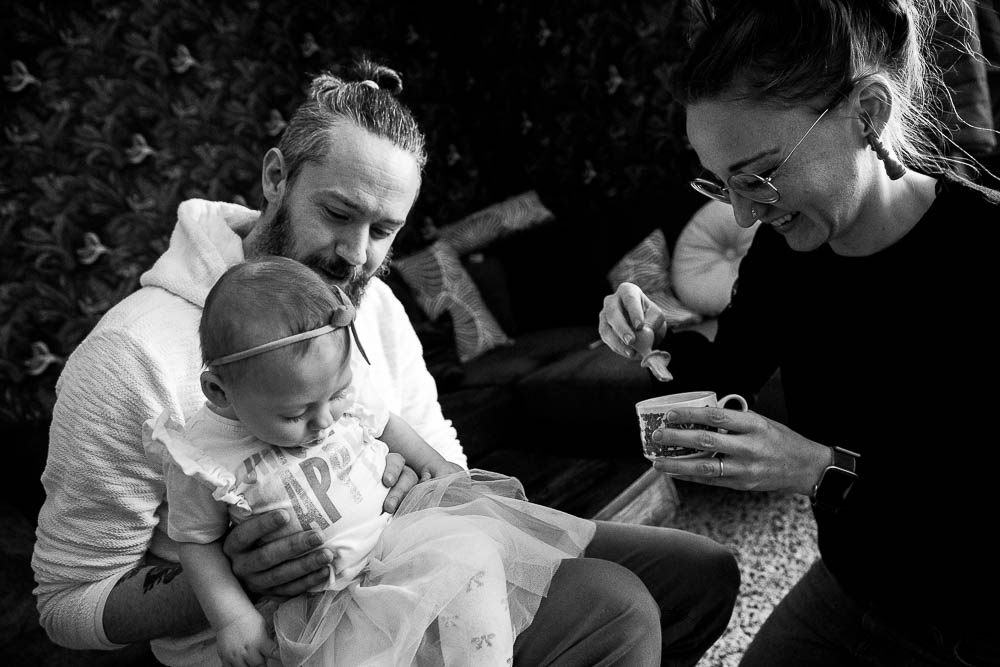
Mallory, Eloise, and Brian
 Eloise The Tiny Fighter
hello my daughter has a very similar chromosome deletion and I was wondering if we could get in contact and see if we can come together to shed some more light for our little ones
LikeLike
Yes! Please email us! eloisethetinyfighter@gmail.com — we would love to talk. Sending love and light.
LikeLike